20% OFF YOUR FIRST ORDER
Use Coupon code LAUNCH20

When it comes to achieving fitness and physique goals, people often focus on supplements, meal prepping, macro splits, and training programs. However, one crucial element that is often neglected is sleep. No matter how advanced your training program or supplementation regimen is, without prioritising sleep, your progress may be hindered. In this article, we will explore the importance of sleep for physique goals and provide tips to improve sleep quality.
Quality sleep is vital for optimising your overall health and physique goals. Here are some key reasons why sleep should be a priority:
Improved Cognitive Function and Willpower:
A good night's sleep enhances cognitive function, including decision-making, focus, and willpower. With improved mental clarity, you can make better choices related to nutrition, training, and adherence to your goals.
Optimal Performance and Recovery:
During sleep, the body undergoes essential processes for recovery and repair. Adequate sleep promotes muscle growth, tissue repair, and optimal performance during workouts.
Impaired Metabolic Function due to Lack of Sleep:
Sleep deprivation can negatively impact metabolic function. It disrupts hormones involved in hunger and satiety, leading to increased cravings, decreased insulin sensitivity, and potential weight gain.
Managing Blood Sugar Levels:
Lack of sleep can affect insulin sensitivity, leading to imbalances in blood sugar levels. This can impact body composition and hinder progress towards physique goals.
Immune Health and Inflammation:
Sleep plays a crucial role in immune function, supporting overall health. Quality sleep helps regulate the immune system, reducing inflammation and enhancing recovery from workouts.
Endocrine System Function:
Sleep is essential for optimal hormone production and balance. It helps maintain hormonal homeostasis, including growth hormone, testosterone, and cortisol regulation.
Create a Sleep-Friendly Environment:
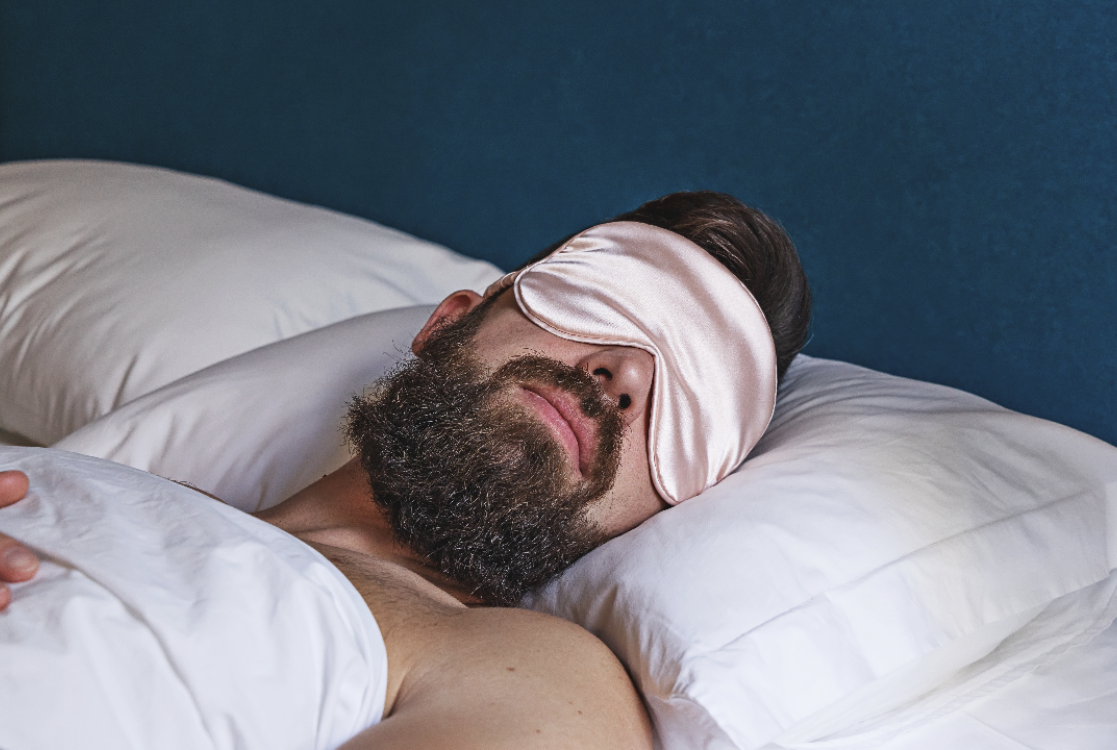
Ensure your bedroom is dark and quiet, using blackout blinds or an eye mask and earplugs to manage light and noise disturbances.
Manage Stimulant Intake:
Limit caffeine consumption, especially in the afternoon. Avoid consuming coffee or other stimulants after 1 pm to prevent sleep disruption.
Maintain a Consistent Bedtime Routine:
Establish a regular sleep routine by going to bed and waking up at the same time each day. Consistency helps regulate your body's internal clock.
Practice Nasal Breathing and Relaxation Techniques:
Before bed, try a 10-minute box breathing exercise, inhaling for 4 seconds, holding for 4 seconds, exhaling for 4 seconds, and holding for 4 seconds. Nasal breathing promotes relaxation and calms the nervous system.
Manage Meal Timing and Content:
Avoid consuming heavy meals close to bedtime. Aim for balanced meals throughout the day to maintain stable blood sugar levels. Consider including evening carbs in your meal prep to increase serotonin levels, promoting deeper sleep.
Limit Screen Time and Blue Light Exposure:
Reduce exposure to electronic devices and blue light, especially in the evening. Consider wearing blue light-blocking glasses or using apps that filter blue light.
Maintain a Comfortable Sleep Environment:
Keep your bedroom temperature between 20-22 degrees Celsius for optimal sleep comfort.
Minimise Stressors and Create a Relaxing Environment:
Avoid engaging in stimulating activities before bed, such as watching scary movies or highly stimulating programs. Instead, read a book or engage in relaxing activities to unwind.
Prioritise Physical Activity:
Regular exercise can improve sleep quality. Engage in regular workouts, but avoid intense exercise too close to bedtime.
Take Power Naps and Manage Stress:
If needed, take short power naps or use meditation apps for relaxation during the day. Minimising stressors can also contribute to better sleep quality.
Get Sunlight Exposure:
Expose yourself to natural sunlight for at least 20 minutes per day. This helps regulate your circadian rhythms and supports a healthy sleep-wake cycle.
Optimising sleep is crucial for achieving your health and physique goals. By understanding the importance of quality sleep and implementing effective sleep hygiene practices, you can enhance cognitive function, support recovery, regulate metabolism, and improve overall well-being. Prioritise your sleep alongside your training and nutrition efforts to maximise your progress towards your desired physique.