20% OFF YOUR FIRST ORDER
Use Coupon code LAUNCH20

The glutes are not only the largest muscle group in the body but are also a desired target area to build for many individuals, especially females, looking to develop a well-rounded physique. Strong and functionally sound glutes are essential for overall performance. While back squats are often touted for their ability to stimulate glute hypertrophy, it's crucial to build the necessary skill set before incorporating them into your routine. For novice lifters seeking efficient exercises to target the glutes, this article outlines three effective movements that require an entry-level skill set.
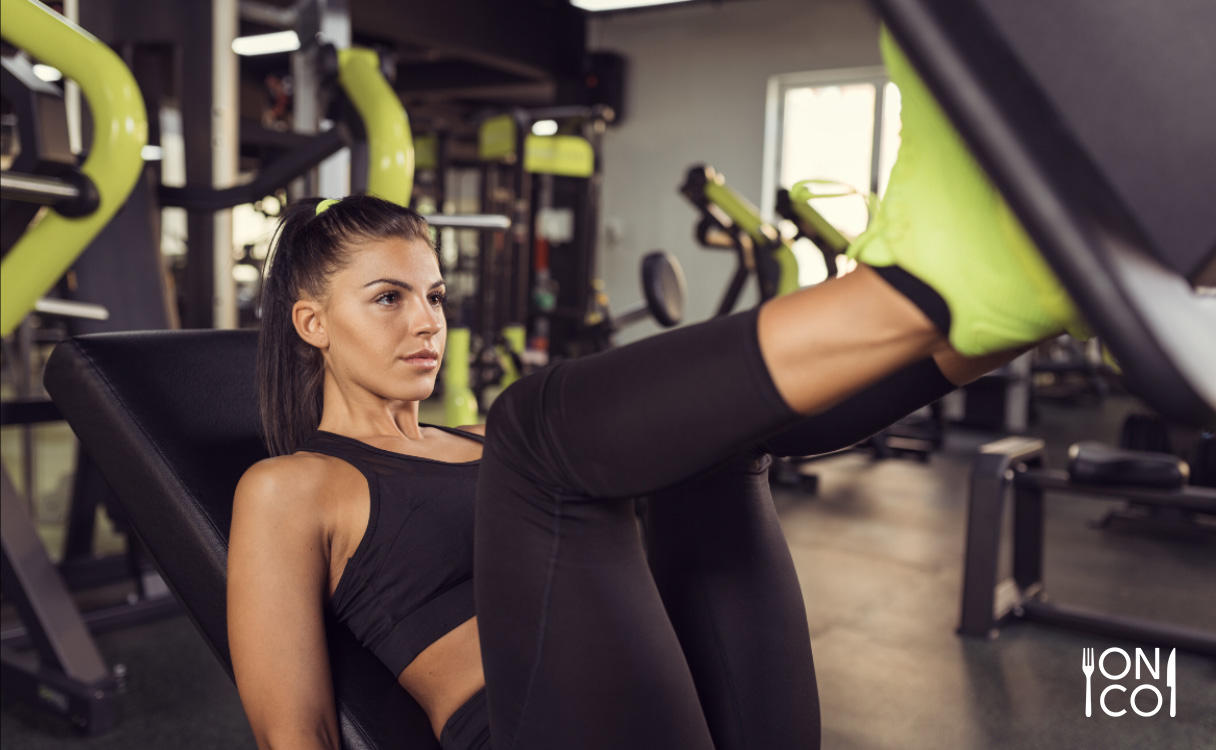
The leg press provides a suitable alternative for novice lifters to work the glutes in a lengthened position without the same skill requirements as a back squat. The external stability of the machine allows individuals to drive sufficient stimulus through the glutes, promoting growth. Research suggests that exercises challenging muscles in their lengthened position elicit greater hypertrophy responses due to increased mechanical tension.
To maximise the benefits of the leg press, consider using a tempo of 2e:2-2c:0 (2 seconds eccentric, 2 seconds hold, 2 seconds concentric, 0 seconds at the top).
When performed correctly, the 45-degree back extension effectively targets the glutes in their shortened position. By limiting the range of motion and maintaining a posterior tilt of the pelvis, you can engage the glute fibers intensely throughout the movement. Even with just bodyweight, this exercise can be incredibly challenging, provided you focus on maintaining pelvic stability and contracting the glutes forcefully. Unlike the time-consuming setup required for barbell hip thrusts, the 45-degree back extension offers a time-efficient way to push your glutes to failure, stimulate metabolic stress, and promote growth.
To maximise the benefits of the 45-degree back extension, consider using a tempo of 2c:2-2e:0
For novice lifters with limited squatting proficiency, the trap bar deadlift serves as an excellent hip-hinging movement choice. It requires less technical skill compared to conventional deadlifts or Romanian deadlifts (RDLs) while still providing substantial glute stimulation. The trap bar deadlift encourages a more upright position than the conventional deadlift, which may translate to improvements in barbell back squat progression. Additionally, it helps teach pelvic stability and bracing from hip flexion to extension. Consider using a tempo of 1c:2-2e:2 (1 second concentric, 2 seconds hold, 2 seconds eccentric).
In addition to the three mentioned exercises, incorporating unilateral lower body movements into your routine on a consistent basis can further enhance glute development. Some recommended exercises include single-leg Romanian deadlifts (RDLs), split squat variations, lunge variations, and hip airplane exercises. These movements target each leg individually, helping to address any muscular imbalances and ensure overall lower body strength and stability.
While the journey to growing your glutes extends beyond these three exercises, they serve as foundational movements that many experienced lifters incorporate into their training programs. Novice lifters should focus on developing the skill prerequisites for each exercise before progressing to more advanced lifts. By emphasising proper form, stability, and progressively challenging the glutes with efficient exercises, you can set yourself up for success in achieving your glute development goals. Remember, patience and consistency are key to long-term progress in strength training and physique development.